The Biggest Geopolitical Risks to Watch in 2026: Global Challenges and Their Impact
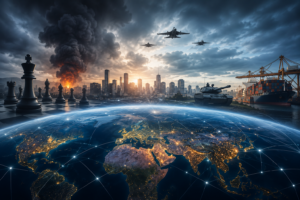
Geopolitical developments continue to shape the global economy, international relations, and national security. In 2026, governments, businesses, and investors are closely monitoring a range of geopolitical risks that have the potential to influence trade, energy markets, technological innovation, and regional stability.
From regional conflicts and diplomatic tensions to cybersecurity threats and competition over critical resources, geopolitical events can have far-reaching consequences that extend well beyond national borders. Businesses often adjust their supply chains, governments strengthen security measures, and financial markets react quickly to significant international developments.
Understanding geopolitical risks is increasingly important in today’s interconnected world. Decisions made in one region can affect energy prices, investment flows, food supplies, and global trade in many other parts of the world.
This guide explores the major geopolitical risks to watch in 2026, why they matter, and how countries and international organizations are responding to an increasingly complex global environment.
Table of Contents
- What Are Geopolitical Risks?
- Regional Conflicts and Global Stability
- Trade Tensions and Economic Competition
- Cybersecurity and Digital Warfare
- Energy Security Challenges
- Food Security and Supply Chains
- The Future of International Cooperation
- Frequently Asked Questions
- Conclusion
What Are Geopolitical Risks?
Geopolitical risks refer to political, economic, military, or diplomatic events that have the potential to affect international stability, trade, investment, and security. These risks may arise from conflicts between nations, economic sanctions, territorial disputes, cyberattacks, political instability, or competition over strategic resources.
Because the global economy is highly interconnected, geopolitical events in one region can quickly influence financial markets, commodity prices, supply chains, and investor confidence around the world.
Governments, multinational companies, and international organizations regularly assess geopolitical risks to prepare for potential disruptions and develop strategies that improve resilience.
Regional Conflicts and Global Stability
Regional conflicts remain one of the most significant geopolitical concerns in 2026. Armed conflicts and diplomatic disputes can disrupt trade routes, increase humanitarian challenges, and affect global markets.
Even when conflicts remain localized, their effects may extend internationally through higher transportation costs, increased energy prices, refugee movements, and changes in foreign policy.
Potential Global Impacts
- Disruptions to international trade.
- Higher transportation and insurance costs.
- Increased humanitarian assistance needs.
- Pressure on global energy markets.
- Greater uncertainty for businesses and investors.
- Changes in international alliances.
Diplomatic dialogue, peace negotiations, and international cooperation remain essential tools for reducing tensions and promoting long-term stability.
Trade Tensions and Economic Competition
Competition between major economies continues to influence global trade policies in 2026. Governments may introduce tariffs, export controls, investment restrictions, or industrial policies designed to protect strategic industries and strengthen domestic production.
Businesses operating internationally must adapt to changing regulations while maintaining resilient supply chains and exploring new markets to reduce risk.
Areas Most Affected
- Technology manufacturing.
- Semiconductors.
- Artificial intelligence.
- Critical minerals.
- Automotive industries.
- Advanced manufacturing.
As competition for innovation and economic leadership continues, businesses are increasingly investing in supply chain diversification and regional manufacturing strategies.
Cybersecurity and Digital Warfare
Cybersecurity has become one of the most important geopolitical issues in 2026. Governments, businesses, financial institutions, and critical infrastructure operators face increasingly sophisticated cyber threats that can disrupt essential services and impact national security.
Cyberattacks may target power grids, healthcare systems, transportation networks, financial institutions, government agencies, and communication systems. As countries continue investing in digital infrastructure, strengthening cybersecurity has become a top national priority.
Common Cybersecurity Threats
- Ransomware attacks.
- Data breaches.
- Critical infrastructure attacks.
- Disinformation campaigns.
- Financial cybercrime.
- Supply chain cyber vulnerabilities.
Governments are increasing cooperation with private companies and international partners to improve cyber resilience, share threat intelligence, and strengthen digital defenses.
Energy Security Challenges
Reliable access to energy remains essential for economic growth and national security. In 2026, countries continue balancing traditional energy sources with growing investments in renewable energy while working to protect supply chains from disruptions.
Geopolitical developments, natural disasters, and infrastructure challenges can affect the availability and price of oil, natural gas, electricity, and other energy resources. Diversifying energy sources and improving infrastructure resilience remain important priorities for many governments.
Key Energy Security Priorities
- Diversifying energy supplies.
- Expanding renewable energy projects.
- Protecting critical energy infrastructure.
- Improving electricity grid reliability.
- Increasing energy efficiency.
- Strengthening international energy cooperation.
Countries that successfully diversify their energy sources are generally better positioned to manage supply disruptions and reduce long-term risks.
Food Security and Supply Chains
Food security remains closely linked to geopolitical stability. Weather events, transportation disruptions, trade restrictions, and regional conflicts can affect agricultural production and the movement of food products across international markets.
Governments and international organizations continue investing in resilient agricultural systems, improved storage facilities, and stronger logistics networks to ensure stable food supplies for growing populations.
Factors Affecting Food Security
- Climate-related weather events.
- Global transportation disruptions.
- Agricultural production challenges.
- Population growth.
- Supply chain bottlenecks.
- Rising food demand.
Improving food security requires international cooperation, sustainable farming practices, technological innovation, and efficient global trade networks.
International Cooperation and Diplomacy
Diplomacy continues to play a vital role in reducing geopolitical tensions and promoting international stability. Through dialogue, negotiations, and multilateral cooperation, countries work together to address shared challenges such as security, trade, climate change, public health, and humanitarian crises.
International organizations also provide platforms where nations can resolve disputes peacefully, coordinate emergency responses, and develop common approaches to complex global issues.
Benefits of International Cooperation
- Promotes peaceful conflict resolution.
- Strengthens economic partnerships.
- Supports humanitarian assistance.
- Enhances cybersecurity collaboration.
- Encourages scientific and technological cooperation.
- Builds resilience against global crises.
As geopolitical risks continue to evolve, strong diplomatic relationships and international cooperation will remain essential for maintaining global peace, economic stability, and sustainable development.
The Future of International Cooperation
As geopolitical challenges continue to evolve, international cooperation will remain essential for promoting peace, economic stability, and sustainable development. Governments are expected to strengthen partnerships in areas such as cybersecurity, climate action, public health, energy security, and global trade.
Emerging technologies, including artificial intelligence, satellite communications, and advanced data analytics, will help countries improve crisis monitoring, disaster response, and international coordination. At the same time, diplomacy will continue to play a central role in resolving disputes and preventing conflicts from escalating.
Although geopolitical competition is likely to remain a feature of international relations, cooperation on shared global challenges can help build a more resilient and secure future for all nations.
Frequently Asked Questions (FAQs)
1. What are geopolitical risks?
Geopolitical risks are political, economic, military, or diplomatic developments that can affect international stability, trade, investment, and global security.
2. Why do geopolitical risks matter?
They influence financial markets, energy prices, supply chains, business operations, international trade, and the overall global economy.
3. How can businesses prepare for geopolitical risks?
Businesses can diversify supply chains, monitor international developments, strengthen cybersecurity, develop contingency plans, and expand into multiple markets to reduce potential disruptions.
4. Why is cybersecurity considered a geopolitical issue?
Cybersecurity affects national security, critical infrastructure, financial systems, and international relations. Large-scale cyberattacks can disrupt essential services and impact multiple countries.
5. How does energy security affect global stability?
Reliable energy supplies support economic growth and national security. Disruptions to energy production or transportation can increase prices, affect industries, and create broader economic challenges.
6. Can international cooperation reduce geopolitical risks?
Yes. Diplomatic engagement, trade agreements, security partnerships, and collaboration through international organizations can help reduce tensions, resolve disputes peacefully, and strengthen global resilience.
Conclusion
Geopolitical risks continue to shape the modern world by influencing international trade, economic growth, energy markets, cybersecurity, and diplomatic relations. In 2026, governments, businesses, and international organizations are working to strengthen resilience while responding to an increasingly complex global environment.
Although challenges such as regional conflicts, cyber threats, supply chain disruptions, and energy security concerns remain significant, continued cooperation and technological innovation provide opportunities to improve global stability and preparedness.
Staying informed about geopolitical developments helps businesses, investors, policymakers, and citizens better understand how international events may affect economies and societies around the world.
Final Thoughts
The global landscape is constantly evolving, making geopolitical awareness more important than ever. While uncertainty is an unavoidable part of international affairs, informed decision-making, responsible diplomacy, and international cooperation remain powerful tools for addressing shared global challenges.
As nations continue to balance competition with collaboration, building resilient economies, secure digital systems, diversified supply chains, and strong international partnerships will be essential for promoting long-term peace, prosperity, and sustainable development.
About The Author