Global Food Security in 2026: Why the World Is Facing Growing Challenges
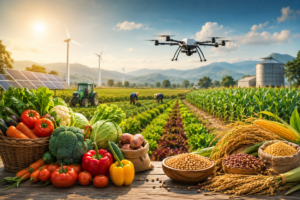
Food security remains one of the world’s most pressing challenges in 2026. As the global population continues to grow, countries are working to ensure that people have reliable access to safe, nutritious, and affordable food. However, climate change, economic uncertainty, conflicts, and supply chain disruptions continue to place significant pressure on food systems across the globe.
Food security is about more than simply producing enough food. It also involves ensuring that food is available, accessible, affordable, and nutritious for everyone. When any of these elements are disrupted, communities may experience food shortages, rising prices, or increased hunger.
Governments, international organizations, farmers, and technology companies are investing in innovative solutions to improve agricultural productivity, reduce food waste, and strengthen global food supply chains. These efforts are becoming increasingly important as demand for food continues to rise.
In this guide, we explore the causes of global food insecurity, the challenges facing food systems in 2026, and the solutions that could help create a more resilient future.
Table of Contents
- What Is Global Food Security?
- Major Causes of Food Insecurity
- The Impact on People and Economies
- How Technology Is Improving Food Production
- International Efforts to Strengthen Food Security
- Challenges Ahead
- The Future of Global Food Security
- Frequently Asked Questions
- Conclusion
What Is Global Food Security?
Global food security means that all people, at all times, have physical and economic access to sufficient, safe, and nutritious food that meets their dietary needs for a healthy and active life.
Food security depends on four key pillars:
- Availability: Enough food is produced and supplied.
- Access: People can afford and obtain food.
- Utilization: Food is safe, nutritious, and supports good health.
- Stability: Food supplies remain reliable over time despite economic or environmental challenges.
When one or more of these pillars are weakened, food insecurity can increase, affecting millions of people worldwide.
Major Causes of Food Insecurity
Food insecurity is driven by multiple interconnected factors. While some challenges are local, others affect global food production and distribution.
1. Climate Change
Changing weather patterns, prolonged droughts, floods, heatwaves, and stronger storms reduce crop yields and make farming more difficult in many parts of the world.
2. Population Growth
The world’s growing population increases demand for food, water, and agricultural land. Farmers must produce more food while using natural resources sustainably.
3. Supply Chain Disruptions
Transportation delays, shipping bottlenecks, and disruptions in global trade can slow the movement of food products, increasing costs and reducing availability in some regions.
4. Rising Production Costs
Higher prices for fuel, fertilizers, animal feed, and farming equipment increase production costs, which can eventually lead to higher food prices for consumers.
5. Conflicts and Political Instability
Conflicts can disrupt farming activities, damage infrastructure, displace communities, and interrupt food distribution networks, making it more difficult for affected populations to access food.
The Impact on People and Economies
Food insecurity affects health, education, economic development, and social stability. Families facing food shortages may struggle to afford nutritious meals, while farmers may experience financial losses due to poor harvests or unstable market conditions.
Global Effects of Food Insecurity
- Higher food prices.
- Increased hunger and malnutrition.
- Greater pressure on healthcare systems.
- Reduced agricultural productivity.
- Economic instability in vulnerable regions.
- Higher demand for humanitarian assistance.
Addressing food insecurity requires coordinated action from governments, international organizations, the private sector, researchers, and local communities to build stronger and more resilient food systems.
How Technology Is Improving Food Production
Technology is playing an increasingly important role in strengthening global food security. Farmers around the world are adopting innovative tools that improve productivity, reduce waste, and help crops adapt to changing environmental conditions. These advancements enable more efficient use of land, water, and other valuable resources.
Modern agricultural technologies also provide farmers with better access to weather forecasts, soil analysis, satellite imagery, and real-time crop monitoring, allowing them to make informed decisions throughout the growing season.
Key Agricultural Technologies
- Artificial intelligence for crop monitoring.
- Precision farming using GPS technology.
- Agricultural drones for field inspections.
- Smart irrigation systems.
- Satellite monitoring of farmland.
- Climate-resistant crop varieties.
These innovations help increase food production while reducing environmental impacts and improving the efficiency of farming operations.
Sustainable Farming Practices
Sustainable agriculture focuses on producing enough food while protecting natural resources for future generations. Farmers are increasingly adopting environmentally responsible practices that improve soil health, conserve water, and protect biodiversity.
Examples of Sustainable Farming
- Crop rotation.
- Conservation tillage.
- Organic farming methods.
- Efficient water management.
- Integrated pest management.
- Agroforestry systems.
These practices help maintain productive farmland while reducing the environmental impact of agriculture.
International Efforts to Strengthen Food Security
Food security is a shared global responsibility. Governments, humanitarian organizations, research institutions, and international agencies work together to improve agricultural productivity, respond to food emergencies, and support vulnerable communities.
International cooperation also encourages knowledge sharing, investment in agricultural research, and the development of resilient food systems capable of adapting to future challenges.
Global Priorities
- Supporting small-scale farmers.
- Reducing food waste.
- Improving agricultural research.
- Strengthening global food supply chains.
- Promoting sustainable farming practices.
- Expanding access to nutritious food.
These initiatives contribute to long-term food security while supporting economic development and improving public health.
Challenges Ahead
Despite technological progress and increased international cooperation, several major challenges continue to affect global food security in 2026.
1. Climate Extremes
Extreme weather events continue to damage crops, reduce harvests, and increase uncertainty for farmers worldwide.
2. Limited Natural Resources
Water scarcity, soil degradation, and declining biodiversity make sustainable food production increasingly difficult in many regions.
3. Population Growth
As the global population grows, food production must continue increasing without placing excessive pressure on natural ecosystems.
4. Rising Food Prices
Higher production and transportation costs can make nutritious food less affordable for millions of households.
5. Food Waste
A significant amount of food is still lost during production, transportation, storage, and consumption. Reducing food waste remains one of the fastest ways to improve global food availability.
Meeting these challenges will require continued innovation, sustainable agricultural practices, stronger international cooperation, and investment in resilient food systems capable of supporting future generations.
The Future of Global Food Security
The future of global food security will depend on innovation, international cooperation, and sustainable resource management. As the world’s population continues to grow, countries must find ways to produce more food while protecting natural ecosystems and adapting to climate change.
Emerging technologies such as artificial intelligence, precision agriculture, robotics, biotechnology, and satellite monitoring are expected to improve farming efficiency and reduce waste. At the same time, investments in resilient infrastructure, modern irrigation systems, and agricultural research will help strengthen food production in both developed and developing countries.
Governments, businesses, farmers, researchers, and consumers all have important roles to play. Supporting sustainable farming, reducing food waste, and encouraging responsible consumption can help build a stronger and more secure global food system for future generations.
Frequently Asked Questions (FAQs)
1. What is global food security?
Global food security means that everyone has reliable access to sufficient, safe, nutritious, and affordable food needed for a healthy and active life.
2. What are the main causes of food insecurity?
Major causes include climate change, conflicts, supply chain disruptions, population growth, rising production costs, water scarcity, and economic instability.
3. How does climate change affect food production?
Climate change can reduce crop yields through droughts, floods, heatwaves, changing rainfall patterns, and extreme weather events that affect farming and livestock production.
4. How is technology improving food security?
Modern technologies such as artificial intelligence, drones, satellite monitoring, smart irrigation, and precision farming help farmers increase productivity while using resources more efficiently.
5. Why is reducing food waste important?
Reducing food waste helps increase food availability, lowers production costs, conserves natural resources, and reduces environmental impacts across the food supply chain.
6. What can individuals do to support food security?
People can reduce food waste, support local farmers, choose sustainable food products, conserve water, and promote responsible consumption habits within their communities.
Conclusion
Global food security remains one of the most important challenges facing humanity in 2026. While climate change, economic pressures, conflicts, and supply chain disruptions continue to create obstacles, innovation and international cooperation are providing new opportunities to strengthen food systems.
Advances in agricultural technology, sustainable farming practices, and global partnerships are helping countries improve food production while protecting natural resources. Continued investment in research, infrastructure, and education will be essential to meeting the food needs of future generations.
Building a resilient global food system requires collaboration at every level—from governments and international organizations to farmers, businesses, and consumers. By working together, the world can move closer to ensuring that everyone has access to safe, nutritious, and affordable food.
Final Thoughts
Food security is more than an agricultural issue—it is closely connected to health, economic development, environmental sustainability, and global stability. The decisions made today will influence the world’s ability to feed future generations in a changing climate.
By embracing innovation, promoting sustainable agriculture, reducing food waste, and strengthening international cooperation, countries can build more resilient food systems that support both people and the planet for decades to come.
About The Author