The Future of Renewable Energy: Countries Leading the Green Revolution in 2026
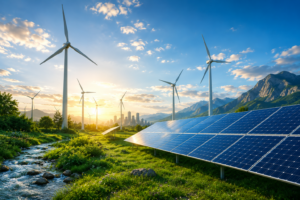
Renewable energy is transforming the global energy landscape as countries seek cleaner, more sustainable alternatives to fossil fuels. In 2026, governments, businesses, and communities are investing heavily in renewable energy technologies to reduce greenhouse gas emissions, improve energy security, and support long-term economic growth.
Rapid advancements in solar panels, wind turbines, battery storage systems, and smart electricity grids have made renewable energy more efficient and affordable than ever before. As a result, many nations are accelerating the transition toward low-carbon economies while creating millions of new jobs in the clean energy sector.
The shift toward renewable energy is not only helping combat climate change but also reducing dependence on imported fossil fuels and improving energy resilience. Countries that embrace clean energy technologies are positioning themselves for stronger economic competitiveness in the decades ahead.
In this guide, we’ll explore the major forms of renewable energy, the countries leading the green revolution in 2026, the benefits and challenges of clean energy adoption, and what the future holds for sustainable power worldwide.
Table of Contents
- What Is Renewable Energy?
- Why Renewable Energy Is Growing
- Countries Leading the Green Revolution
- Major Renewable Energy Sources
- Benefits of Renewable Energy
- Challenges Facing Clean Energy
- The Future of Renewable Energy
- Frequently Asked Questions
- Conclusion
What Is Renewable Energy?
Renewable energy comes from natural sources that are continuously replenished, making them more sustainable than fossil fuels such as coal, oil, and natural gas. These energy sources produce significantly lower greenhouse gas emissions and play a crucial role in reducing the environmental impact of electricity generation.
Unlike fossil fuels, renewable energy resources are naturally replenished through sunlight, wind, flowing water, heat from the Earth, and organic materials. As technology improves, renewable energy systems continue to become more efficient and cost-effective.
Main Types of Renewable Energy
- Solar energy.
- Wind energy.
- Hydroelectric power.
- Geothermal energy.
- Biomass energy.
- Ocean and tidal energy.
Together, these energy sources are helping countries reduce carbon emissions while providing reliable and sustainable electricity for homes, businesses, and industries.
Why Renewable Energy Is Growing
Several factors are driving the rapid expansion of renewable energy around the world. Governments are adopting ambitious climate goals, businesses are investing in sustainable operations, and consumers increasingly support environmentally friendly energy solutions.
Advances in technology have also significantly reduced the cost of renewable energy projects, making clean electricity more competitive with traditional fossil fuels in many regions.
Key Reasons for Growth
- Reducing greenhouse gas emissions.
- Improving energy security.
- Lower long-term electricity costs.
- Creating green jobs.
- Reducing dependence on imported fuels.
- Supporting sustainable economic development.
These advantages have encouraged countries across every continent to expand renewable energy production and invest in cleaner technologies for the future.
Countries Leading the Green Revolution
Many nations are making significant investments in renewable energy infrastructure. While each country has different natural resources and energy needs, several have emerged as global leaders in clean energy development.
China
China continues to invest heavily in solar, wind, and hydroelectric power while expanding battery manufacturing and electric vehicle production. Large-scale renewable energy projects have helped increase clean electricity generation across the country.
United States
The United States continues to expand renewable energy through major investments in solar farms, wind power, battery storage, and clean energy research. Both public and private sectors are contributing to the country’s energy transition.
Germany
Germany remains a global leader in renewable energy innovation, focusing on wind energy, solar power, and energy efficiency while modernizing its electricity grid to support cleaner energy sources.
India
India is rapidly expanding solar energy projects to meet growing electricity demand while reducing carbon emissions. Government initiatives continue to encourage investment in renewable energy infrastructure across the country.
More Countries Driving Renewable Energy Growth
Beyond the world’s largest economies, many countries are making remarkable progress in expanding renewable energy. Their investments demonstrate that clean energy can support economic development while reducing environmental impacts.
Denmark
Denmark is internationally recognized for its leadership in wind energy. Both offshore and onshore wind farms generate a significant share of the country’s electricity, while continued investment in green technologies keeps Denmark at the forefront of renewable innovation.
Norway
Norway relies heavily on hydroelectric power, making it one of the world’s cleanest electricity producers. The country is also encouraging the adoption of electric vehicles and investing in renewable energy research.
Brazil
Brazil benefits from abundant hydroelectric resources while expanding investments in solar and wind energy. Renewable energy plays a major role in the country’s electricity generation.
Australia
Australia continues to develop large-scale solar and wind projects, supported by its vast natural resources and increasing demand for clean electricity.
Major Renewable Energy Technologies
Renewable energy relies on several technologies that convert natural resources into electricity and heat. Continued innovation is making these technologies more efficient, reliable, and affordable.
Solar Energy
Solar panels convert sunlight into electricity and are now widely used on homes, businesses, and utility-scale power plants around the world.
Wind Energy
Wind turbines generate electricity using the power of moving air. Offshore wind farms are becoming increasingly important due to stronger and more consistent winds.
Hydroelectric Power
Hydropower generates electricity from flowing water and remains one of the largest renewable energy sources globally.
Geothermal Energy
Geothermal systems use heat from beneath the Earth’s surface to generate electricity and provide heating for homes and industries.
Biomass Energy
Biomass converts organic materials such as agricultural waste, wood, and other biological resources into usable energy.
Benefits of Renewable Energy
The transition to renewable energy provides environmental, economic, and social benefits for countries around the world.
1. Lower Carbon Emissions
Renewable energy produces significantly fewer greenhouse gas emissions than fossil fuels, helping combat climate change.
2. Improved Energy Security
Countries that generate more renewable energy become less dependent on imported oil, gas, and coal.
3. Job Creation
The renewable energy sector creates employment opportunities in manufacturing, engineering, construction, maintenance, and research.
4. Cleaner Air
Replacing fossil fuels with renewable energy reduces air pollution, improving public health and environmental quality.
5. Long-Term Cost Savings
Although initial investments may be significant, renewable energy systems often have lower operating costs over their lifetime.
Challenges Facing Clean Energy
Despite rapid progress, renewable energy still faces several important challenges that governments and businesses continue to address.
1. Energy Storage
Solar and wind energy depend on weather conditions, making efficient battery storage essential for ensuring reliable electricity supplies.
2. Infrastructure Investment
Modern electricity grids require upgrades to efficiently distribute renewable energy from production sites to consumers.
3. High Initial Costs
Building renewable energy facilities often requires substantial upfront investment, although costs continue to decline.
4. Land and Environmental Considerations
Large renewable energy projects must be carefully planned to minimize impacts on ecosystems, wildlife, and local communities.
5. Skilled Workforce
Expanding the renewable energy industry requires trained engineers, technicians, and construction professionals to support growing demand.
Despite these challenges, continued technological innovation, supportive government policies, and private investment are accelerating the global transition toward cleaner and more sustainable energy systems.
The Future of Renewable Energy
The future of renewable energy looks increasingly promising as governments, businesses, and researchers continue investing in cleaner and more efficient technologies. Advances in battery storage, artificial intelligence, smart electricity grids, and hydrogen energy are expected to make renewable power more reliable and accessible in the years ahead.
Many countries have announced long-term goals to reduce greenhouse gas emissions while expanding renewable electricity generation. As technology improves and production costs continue to decline, clean energy is expected to become an even larger part of the global energy mix.
Future innovations may include next-generation solar panels with higher efficiency, larger offshore wind farms, improved energy storage systems, and greater use of green hydrogen for transportation and industrial applications. These developments will help strengthen energy security while supporting sustainable economic growth.
Frequently Asked Questions (FAQs)
1. What is renewable energy?
Renewable energy comes from natural resources that are continuously replenished, such as sunlight, wind, flowing water, geothermal heat, and biomass. These sources produce significantly lower greenhouse gas emissions than fossil fuels.
2. Why is renewable energy important?
Renewable energy helps reduce carbon emissions, improve air quality, strengthen energy security, create jobs, and support sustainable economic development.
3. Which countries are leading the green revolution?
Countries including China, the United States, Germany, India, Denmark, Norway, Brazil, and Australia continue to make significant investments in renewable energy technologies and clean electricity generation.
4. What are the biggest challenges facing renewable energy?
Major challenges include energy storage, electricity grid modernization, infrastructure investment, land use planning, and ensuring a skilled workforce for the growing clean energy sector.
5. Can renewable energy replace fossil fuels?
Renewable energy is expected to play an increasingly important role in replacing fossil fuels. However, the transition will require continued investment in infrastructure, technology, and supportive public policies.
6. What is green hydrogen?
Green hydrogen is hydrogen produced using renewable electricity instead of fossil fuels. It has the potential to reduce emissions in industries and transportation sectors that are difficult to electrify.
Conclusion
Renewable energy is reshaping the global energy industry by providing cleaner, more sustainable alternatives to fossil fuels. In 2026, countries around the world continue expanding investments in solar, wind, hydroelectric, geothermal, and other renewable technologies to reduce emissions and improve energy security.
Although challenges such as energy storage, infrastructure development, and financing remain, ongoing innovation is making renewable energy more practical and affordable. Governments, businesses, and individuals all have important roles in supporting the transition toward cleaner energy systems.
As renewable technologies continue to advance, they will play an increasingly important role in meeting global energy demand while protecting the environment and supporting long-term economic growth.
Final Thoughts
The global transition to renewable energy is more than an environmental goal—it is an economic and technological transformation that will shape future generations. Countries investing in clean energy today are strengthening their economies, creating new employment opportunities, and reducing dependence on finite fossil fuel resources.
Continued innovation, international cooperation, and responsible energy policies will be essential for building a future powered by sustainable, reliable, and affordable renewable energy.
About The Author