Climate Change Around the World: Biggest Challenges and Global Solutions in 2026
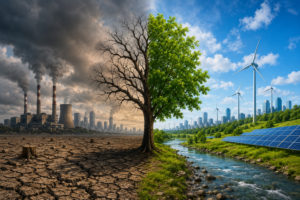
Climate change remains one of the most significant global issues of the 21st century. Rising temperatures, changing weather patterns, melting glaciers, and increasing sea levels are affecting communities, economies, and ecosystems across every continent. In 2026, governments, businesses, scientists, and individuals continue working together to reduce greenhouse gas emissions while adapting to the changing climate.
The effects of climate change are becoming more visible through extreme weather events such as heatwaves, floods, droughts, stronger storms, and wildfires. These events not only threaten lives but also impact agriculture, food security, water resources, infrastructure, and global economic stability.
At the same time, technological innovation and international cooperation are creating new opportunities to address climate challenges. Renewable energy, electric transportation, sustainable agriculture, and carbon reduction strategies are helping countries move toward cleaner and more resilient economies.
In this guide, we explore the major causes of climate change, its global impacts in 2026, the solutions being implemented worldwide, and what the future may hold for our planet.
Table of Contents
- What Is Climate Change?
- Major Causes of Climate Change
- Global Impacts in 2026
- Renewable Energy and Green Innovation
- International Climate Cooperation
- Challenges to Climate Action
- Future Outlook
- Frequently Asked Questions
- Conclusion
What Is Climate Change?
Climate change refers to long-term changes in Earth’s average temperatures and weather patterns. While natural climate variations have always occurred, today’s rapid warming is largely driven by human activities that increase greenhouse gases in the atmosphere.
Greenhouse gases such as carbon dioxide (CO₂), methane, and nitrous oxide trap heat from the sun, causing global temperatures to rise. This process, known as the greenhouse effect, is essential for life on Earth, but excessive emissions have intensified warming beyond natural levels.
Climate change affects every region differently. Some areas experience more frequent droughts, while others face stronger storms, heavier rainfall, coastal flooding, or rising sea levels.
Major Causes of Climate Change
Several human activities contribute significantly to climate change. Understanding these causes is essential for developing effective solutions.
1. Burning Fossil Fuels
Coal, oil, and natural gas remain major sources of energy worldwide. Burning these fuels for electricity, transportation, and industrial production releases large amounts of carbon dioxide into the atmosphere.
2. Deforestation
Forests absorb carbon dioxide and help regulate Earth’s climate. Large-scale deforestation reduces this natural carbon storage while releasing additional greenhouse gases.
3. Agriculture
Modern agriculture contributes to greenhouse gas emissions through livestock production, fertilizer use, and land management practices. Methane emissions from cattle and rice farming are particularly significant.
4. Industrial Activities
Manufacturing industries such as cement, steel, and chemical production generate greenhouse gases during production processes. Improving industrial efficiency is an important part of reducing emissions.
5. Waste Management
Landfills produce methane as organic waste decomposes. Better recycling systems, composting, and waste reduction programs can help lower emissions.
Global Impacts in 2026
Climate change affects nearly every aspect of modern life. Rising temperatures and changing weather patterns influence agriculture, public health, biodiversity, water supplies, transportation, and economic development.
Major Global Impacts
- More frequent heatwaves.
- Longer drought periods.
- Stronger tropical storms and hurricanes.
- Increased flooding in vulnerable regions.
- Melting glaciers and polar ice.
- Rising sea levels affecting coastal communities.
- Threats to wildlife and biodiversity.
- Growing pressure on food and water security.
Many governments are investing in climate adaptation projects such as flood defenses, improved water management, drought-resistant crops, and stronger emergency response systems to reduce these risks.
Renewable Energy and Green Innovation
One of the most effective ways to combat climate change is by transitioning from fossil fuels to renewable energy sources. Around the world, countries are investing heavily in solar, wind, hydroelectric, and geothermal energy to reduce greenhouse gas emissions while meeting growing energy demands.
Technological innovation has also made renewable energy more affordable and efficient. Improved battery storage, smart electricity grids, and energy-efficient buildings are helping communities reduce their carbon footprint while improving energy security.
Examples of Green Innovation
- Solar power plants.
- Offshore and onshore wind farms.
- Hydroelectric power generation.
- Electric vehicles (EVs).
- Energy-efficient smart buildings.
- Battery energy storage systems.
These technologies are creating new industries, generating employment opportunities, and supporting long-term sustainable economic growth.
International Climate Cooperation
Climate change is a global challenge that requires international cooperation. Since greenhouse gas emissions affect the entire planet, countries are working together through international agreements, scientific collaboration, and financial support for climate initiatives.
Many governments have adopted national climate strategies that focus on reducing emissions, expanding renewable energy, protecting forests, and improving resilience against extreme weather events.
Global Climate Priorities
- Reducing greenhouse gas emissions.
- Protecting forests and biodiversity.
- Investing in renewable energy.
- Supporting climate adaptation projects.
- Improving disaster preparedness.
- Encouraging sustainable development.
International partnerships also help developing countries gain access to funding, technology, and technical expertise needed to address climate-related challenges.
Climate Finance and Sustainable Investment
Climate finance plays an important role in supporting projects that reduce emissions and strengthen resilience. Governments, development banks, private investors, and international organizations are investing billions of dollars in clean energy, sustainable infrastructure, and climate adaptation programs.
Sustainable investment is also becoming increasingly popular as investors seek businesses that prioritize environmental responsibility, social impact, and good corporate governance.
Examples of Climate Investments
- Renewable energy projects.
- Green transportation systems.
- Flood protection infrastructure.
- Climate-smart agriculture.
- Reforestation and conservation projects.
- Energy-efficient buildings.
Challenges to Climate Action
Despite significant progress, addressing climate change remains a complex challenge. Many countries face economic, political, and technological barriers that can slow the transition to a low-carbon future.
1. High Transition Costs
Moving from fossil fuels to renewable energy requires major investments in infrastructure, technology, and workforce development.
2. Energy Demand
Rapid population growth and industrial expansion continue to increase global energy consumption, making the transition more challenging.
3. Climate Adaptation
Many vulnerable communities already experience severe impacts from climate change and require significant investment in adaptation measures.
4. Policy Differences
Countries have different economic priorities and energy resources, leading to varying approaches toward climate policies and emissions reduction.
5. Public Awareness
Encouraging sustainable lifestyles, reducing waste, and promoting environmental education remain essential for achieving long-term climate goals.
Overcoming these challenges will require continued cooperation between governments, businesses, researchers, and citizens around the world.
Future Outlook
Although climate change remains one of the world’s greatest challenges, there are reasons for optimism. Advances in clean energy, sustainable technology, climate science, and international cooperation are helping countries reduce emissions and build more resilient communities.
In the coming years, governments are expected to continue investing in renewable energy, cleaner transportation systems, smart cities, and climate-resilient infrastructure. Businesses are also adopting more sustainable practices by improving energy efficiency, reducing waste, and developing environmentally friendly products.
Individuals also have an important role to play. Everyday actions such as conserving energy, reducing waste, recycling, supporting sustainable businesses, and choosing cleaner transportation options can collectively make a meaningful difference.
While no single solution can eliminate climate change overnight, continued innovation and global collaboration can help reduce its long-term impacts and create a healthier planet for future generations.
Frequently Asked Questions (FAQs)
1. What is climate change?
Climate change refers to long-term shifts in Earth’s temperatures and weather patterns, largely driven today by human activities that increase greenhouse gas emissions.
2. What causes climate change?
The primary causes include burning fossil fuels, deforestation, industrial activities, agriculture, and waste management, all of which contribute to the buildup of greenhouse gases in the atmosphere.
3. How does climate change affect people?
Climate change can increase the frequency and intensity of heatwaves, floods, droughts, storms, food insecurity, water shortages, health risks, and damage to infrastructure.
4. What are renewable energy sources?
Renewable energy sources include solar, wind, hydroelectric, geothermal, and other forms of energy that naturally replenish and produce fewer greenhouse gas emissions than fossil fuels.
5. What can individuals do to help?
People can help by saving energy, reducing waste, recycling, planting trees, using public transportation when possible, and supporting environmentally responsible businesses and policies.
6. Why is international cooperation important?
Because climate change affects every country, international cooperation helps nations share technology, scientific knowledge, financial resources, and coordinated strategies to reduce emissions and adapt to climate impacts.
Conclusion
Climate change is one of the defining global challenges of our time, affecting ecosystems, economies, and communities across the world. In 2026, countries continue working toward cleaner energy, sustainable development, and stronger climate resilience through innovation and international cooperation.
Although significant challenges remain, progress in renewable energy, green technology, climate finance, and environmental awareness demonstrates that meaningful action is possible. Governments, businesses, scientists, and citizens all have important roles in creating a more sustainable future.
By supporting responsible environmental practices and embracing innovative solutions, the global community can reduce climate risks while promoting economic growth and improving quality of life for future generations.
Final Thoughts
The fight against climate change requires long-term commitment and cooperation at every level of society. While governments and industries play a major role, individual actions also contribute to positive change.
As technology continues to advance and global partnerships strengthen, there is growing potential to reduce emissions, protect natural ecosystems, and build a cleaner, safer, and more resilient world. Staying informed and taking practical steps today will help shape a more sustainable tomorrow.
About The Author