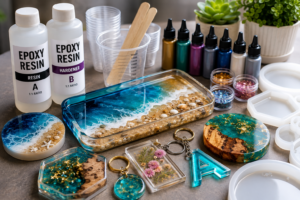
How to Choose the Right Epoxy Resin for Beginners in Nigeria (2026 Guide)
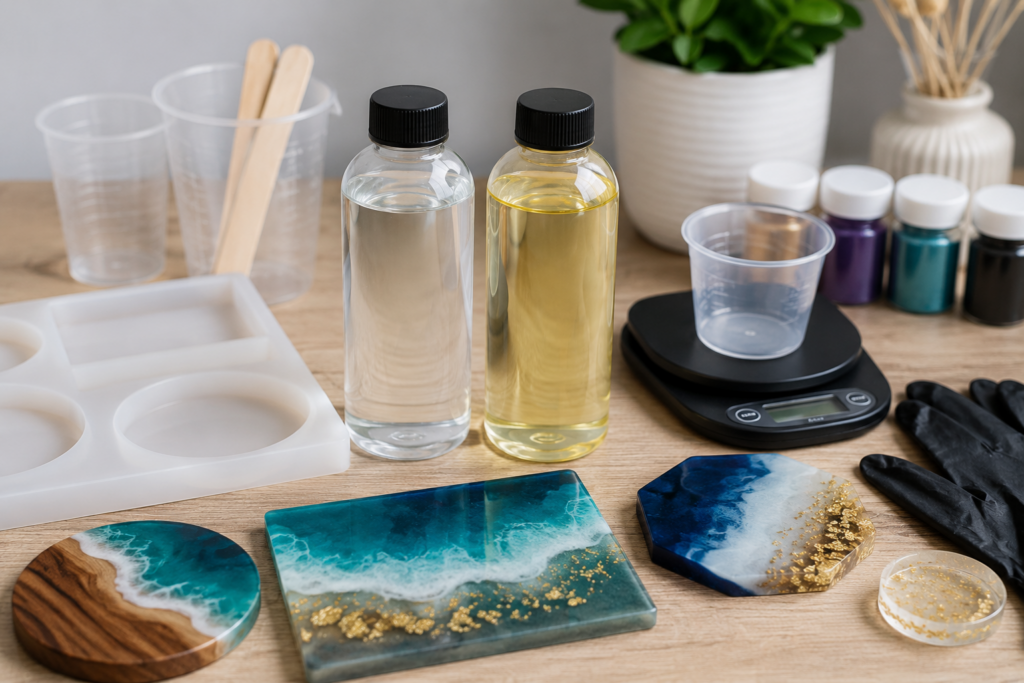
Editorial Note: At PulseHubTV, we are committed to publishing practical, beginner-friendly, and well-researched guides. This article is designed to help first-time resin users choose the right epoxy resin with confidence while avoiding common mistakes that can waste time and money.
Table of Contents
- PulseHubTV Quick Recommendation
- Introduction
- What Is Epoxy Resin?
- Why Choosing the Right Resin Matters
- The Main Types of Epoxy Resin
- Related PulseHubTV Guides
⭐ PulseHubTV Quick Recommendation
If you’re buying epoxy resin for the first time, choose a beginner-friendly product from a reputable supplier, carefully follow the manufacturer’s mixing ratio, and begin with a small project such as a coaster or key holder. Avoid buying large quantities until you’ve gained confidence with the basics.
Introduction
Starting your resin art journey is exciting, but choosing the wrong epoxy resin can quickly turn that excitement into frustration. Many beginners purchase the first product they find online or choose the cheapest option available, only to discover that it doesn’t suit their project or fails to cure properly because it wasn’t used according to the manufacturer’s instructions.
The good news is that selecting the right epoxy resin doesn’t have to be complicated. Once you understand the different types of resin, how they work, and what each product is designed for, you’ll be able to make informed decisions and avoid many of the mistakes that beginners commonly make.
Whether you’re planning to create beautiful coasters, jewelry, serving trays, river tables, or decorative home items, choosing the correct resin is one of the most important decisions you’ll make before starting your first project.
In this guide, you’ll learn the different types of epoxy resin, the factors to consider before buying, practical tips for beginners, and how to avoid costly mistakes. We’ll also point you to additional PulseHubTV resources that can help you continue your resin journey.
What Is Epoxy Resin?
Epoxy resin is a two-part material made up of Part A (Resin) and Part B (Hardener). When these two components are mixed in the ratio specified by the manufacturer, they begin a chemical reaction known as curing. As the curing process progresses, the liquid gradually hardens into a strong, durable, and often crystal-clear solid.
Unlike ordinary glue or paint, epoxy resin is valued for its strength, glossy finish, resistance to moisture, and versatility. It is used in a wide range of creative and industrial applications, including:
- Resin coasters
- Jewelry making
- Serving trays
- River tables
- Wall art
- Key holders
- Photo frames
- Protective coatings for wood and concrete
💡 PulseHubTV Pro Tip
Don’t assume all epoxy resin products are the same. Some are designed for deep casting projects, while others are formulated specifically for coating surfaces. Always check the product description and recommended application before making a purchase.
Why Choosing the Right Resin Matters
Using the correct epoxy resin can make the difference between a successful project and a disappointing one. A resin designed for coating may overheat if poured too deeply, while a casting resin may take longer to cure than expected. Understanding these differences helps you choose a product that matches your project and reduces the risk of wasted materials.
Choosing the right resin also helps you:
- Create smoother and clearer finishes.
- Reduce bubbles and surface imperfections.
- Improve the durability of your finished project.
- Save money by avoiding failed pours.
- Build confidence as you learn new techniques.
As a beginner, focus on learning the basics with simple projects before moving on to larger or more advanced creations.
The Main Types of Epoxy Resin
Although there are many brands available, most beginners will encounter two main categories of epoxy resin:
1. Casting Resin
Casting resin is formulated for deep pours and is commonly used for molds, river tables, decorative blocks, paperweights, and thicker resin projects. It usually has a longer curing time, which helps reduce heat buildup during the curing process.
2. Coating Resin
Coating resin is designed for thin layers applied over surfaces such as tabletops, artwork, serving trays, photographs, and countertops. It generally cures faster and produces a smooth, glossy finish when used as recommended.
Choosing between casting resin and coating resin depends entirely on the type of project you want to complete. Reading the manufacturer’s instructions before purchasing is one of the easiest ways to avoid beginner mistakes.
📚 Continue Learning with PulseHubTV
Looking for more beginner-friendly resin resources? Explore these guides:
- Best Places to Buy Epoxy Resin in Nigeria – Find trusted places to purchase quality resin and related supplies.
- How to Start an Epoxy Resin Business in Nigeria – Learn the basics of turning resin art into a business.
- How to Make Money With Resin – Discover practical ways to earn from your resin skills.
Factors to Consider Before Buying Epoxy Resin
Not all epoxy resin products are created for the same purpose. Before making a purchase, take a few minutes to compare the product specifications. Choosing the right resin from the beginning can save you time, money, and frustration.
1. Know Your Project
The first question to ask yourself is, “What am I making?” Your answer will determine the type of epoxy resin you need.
| Project | Recommended Resin |
|---|---|
| River Tables | Casting Resin |
| Coasters | Coating Resin or Shallow Casting Resin |
| Serving Trays | Coating Resin |
| Jewelry | Casting Resin |
| Wall Art | Coating Resin |
| Tabletops | Coating Resin |
⭐ PulseHubTV Pro Tip
If you’re completely new to resin art, start with small projects like coasters or key holders. These projects require less resin, are easier to complete, and help you build confidence before attempting larger creations.
2. Check the Mixing Ratio
Every epoxy resin product comes with a recommended mixing ratio, such as 1:1 or 2:1. This tells you how much resin and hardener should be mixed together.
Never guess the ratio or assume all products are the same. Using the wrong proportions may result in:
- Sticky surfaces.
- Soft or flexible resin.
- Cloudy finishes.
- Projects that never fully cure.
Always follow the manufacturer’s instructions exactly.
3. Consider the Curing Time
Some epoxy resin products cure within 24 hours, while others may require 48 to 72 hours or more.
If you’re a beginner, don’t rush the process. Faster isn’t always better. A longer curing time often allows bubbles to escape more easily and reduces the risk of overheating during thicker pours.
4. Look for Clear Product Information
A quality epoxy resin product should include clear information on its packaging or product page, including:
- Mixing ratio.
- Working time (pot life).
- Recommended applications.
- Curing time.
- Safety precautions.
- Storage instructions.
If important information is missing, consider looking for another product with better documentation.
5. Buy From Reputable Suppliers
Where you buy your epoxy resin matters just as much as which brand you choose. Reputable suppliers are more likely to provide authentic products, proper storage conditions, and helpful customer support.
If you’re unsure where to start, read our detailed guide:
👉
Best Places to Buy Epoxy Resin in Nigeria
Common Beginner Mistakes
Almost every beginner makes mistakes while learning. The good news is that most of them are easy to avoid.
❌ Buying the Cheapest Product
Low prices can be tempting, but extremely cheap resin products may have inconsistent quality or poor instructions. Instead of focusing only on price, look for products with clear specifications and positive customer feedback.
❌ Ignoring Safety Instructions
Always work in a well-ventilated area and wear appropriate protective equipment such as nitrile gloves. Safety should never be an afterthought.
❌ Mixing Too Much Resin
Beginners often prepare more resin than they need. Start with small batches until you understand how quickly the product cures.
❌ Skipping Practice
Before creating an important project, practice using inexpensive silicone molds or small coasters. Every practice session improves your confidence and technique.
⚠️ Beginner Reminder
Every experienced resin artist started as a beginner. Don’t be discouraged by small mistakes. Treat each project as a learning opportunity, take notes on what worked well, and improve with every pour.
Essential Safety Tips
- Wear nitrile gloves whenever handling resin and hardener.
- Work in a clean, well-ventilated area.
- Protect your work surface with a silicone mat or plastic sheet.
- Keep resin away from children and pets.
- Read the manufacturer’s safety instructions before starting.
- Store resin in a cool, dry place away from direct sunlight.
📝 Beginner Buying Checklist
Before placing your order, ask yourself:
- ☐ Do I know which project I’m making?
- ☐ Am I buying the correct type of resin?
- ☐ Have I checked the mixing ratio?
- ☐ Do I understand the curing time?
- ☐ Does the product include clear instructions?
- ☐ Am I buying from a trusted supplier?
- ☐ Do I already have the necessary safety equipment?
Frequently Asked Questions (FAQs)
What is the best epoxy resin for beginners?
There isn’t a single “best” epoxy resin for everyone. The right choice depends on your project. Beginners should look for a reputable brand with clear instructions, a simple mixing ratio (such as 1:1 where appropriate), and good customer support. Always choose a resin designed for your intended application.
Can I use one epoxy resin for every project?
Not always. Some products are designed for deep casting, while others are intended for coating surfaces. Using the wrong type of resin may affect the final result, so always read the manufacturer’s recommendations.
How long does epoxy resin take to cure?
Curing time varies by product and environmental conditions. Some epoxy resins harden within 24 hours, while others may require 48–72 hours to reach full strength. Follow the curing time provided by the manufacturer.
Why is my epoxy resin sticky?
Sticky resin is often caused by incorrect mixing ratios, insufficient mixing, or incomplete curing. Carefully measuring and thoroughly mixing the resin and hardener according to the product instructions can help prevent this issue.
Where can I buy quality epoxy resin in Nigeria?
We’ve compiled a dedicated guide featuring reputable suppliers and buying tips.
👉 Best Places to Buy Epoxy Resin in Nigeria
Conclusion
Choosing the right epoxy resin is one of the most important steps in your resin art journey. Understanding the differences between casting and coating resin, checking the mixing ratio, following safety precautions, and purchasing from trusted suppliers will help you avoid common beginner mistakes and achieve better results.
Remember, every experienced resin artist started as a beginner. Don’t focus on creating perfect projects immediately. Instead, focus on learning the fundamentals, practicing consistently, and improving your skills one project at a time.
⭐ PulseHubTV Final Recommendation
Start with a small beginner-friendly resin kit, follow the manufacturer’s instructions carefully, and complete a few simple projects before investing in larger quantities of resin or expensive molds. Building confidence gradually is one of the best ways to enjoy resin art while minimizing costly mistakes.
References
- General product guidance and technical documentation from established epoxy resin manufacturers.
- Safety recommendations from product Safety Data Sheets (SDS) supplied by manufacturers.
- Occupational safety guidance for handling epoxy resins and hardeners.
Related PulseHubTV Guides
Best Places to Buy Epoxy Resin in Nigeria
How to Start an Epoxy Resin Business in Nigeria
How to Make Money With Resin
Share This Article
About PulseHubTV
PulseHubTV is an independent digital publication committed to delivering trustworthy, beginner-friendly content across technology, business, DIY, artificial intelligence, cybersecurity, gadget reviews, and digital skills. Our mission is to help readers make informed decisions through practical, well-researched, and easy-to-understand guides.
We regularly update our content to keep it accurate, relevant, and useful for our readers.
Author: PulseHubTV Editorial Team
About The Author