How Inflation Affects Your Money in 2026 and Smart Ways to Protect Your Finances
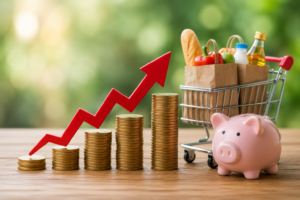
Inflation is one of the most important economic forces affecting households, businesses, and investors. When prices rise over time, the purchasing power of your money declines, meaning you need to spend more to buy the same goods and services.
In 2026, inflation continues to influence the global economy in different ways. While inflation rates vary from country to country, understanding how inflation works can help you make better financial decisions, protect your savings, and plan for the future.
Whether you are managing a household budget, building an emergency fund, investing for retirement, or running a business, understanding inflation is essential for maintaining your financial well-being.
This guide explains what inflation is, why it happens, how it affects your everyday finances, and practical strategies to reduce its impact on your money.
Table of Contents
- What Is Inflation?
- Why Inflation Happens
- How Inflation Affects Everyday Life
- Smart Ways to Protect Your Money
- Common Financial Mistakes During Inflation
- Frequently Asked Questions
- Conclusion
What Is Inflation?
Inflation refers to the general increase in the prices of goods and services over time. As prices rise, each unit of currency buys fewer products and services than before. This gradual decline in purchasing power affects consumers, businesses, and governments alike.
Moderate inflation is generally considered a normal part of a growing economy. However, high or persistent inflation can reduce household purchasing power, increase business costs, and create uncertainty in financial planning.
Examples of Inflation
- Higher grocery prices.
- Increasing fuel costs.
- Rising housing and rental expenses.
- More expensive healthcare services.
- Higher transportation costs.
- Increasing utility bills.
Although some price changes are temporary, sustained inflation reflects a broader increase in average prices across the economy.
Why Inflation Happens
Inflation can occur for several reasons, and in many cases multiple factors contribute at the same time. Understanding these causes helps explain why prices may rise during different economic conditions.
1. Strong Consumer Demand
When demand for goods and services grows faster than businesses can increase production, prices may rise as consumers compete for limited supply.
2. Higher Production Costs
Businesses may face increased costs for raw materials, transportation, wages, or energy. These higher expenses are sometimes passed on to consumers through higher prices.
3. Supply Chain Disruptions
Natural disasters, geopolitical events, transportation delays, or shortages of key materials can reduce product availability and contribute to higher prices.
4. Monetary and Economic Policies
Central banks and governments use various monetary and fiscal policies to support economic growth and maintain price stability. Economic conditions and policy decisions can influence inflation over time.
How Inflation Affects Everyday Life
Inflation influences nearly every aspect of personal finance. Rising prices can affect household budgets, savings, investments, borrowing costs, and long-term financial planning.
Common Effects of Inflation
- Reduced purchasing power.
- Higher monthly living expenses.
- Increased costs for housing and transportation.
- Changes in interest rates.
- Pressure on household budgets.
- Potential impact on long-term savings.
Recognizing these effects allows individuals and families to make informed financial decisions and prepare for changing economic conditions.
Smart Ways to Protect Your Money
While inflation cannot be avoided, you can take practical steps to reduce its impact on your finances. A balanced financial plan that combines saving, investing, budgeting, and income growth can help preserve your purchasing power over time.
The goal is not to eliminate all financial risk but to make informed decisions that strengthen your long-term financial position.
1. Maintain a Realistic Budget
Regularly reviewing your budget helps you adjust to changing prices and identify opportunities to reduce unnecessary spending. Tracking your expenses can also reveal areas where you can redirect money toward savings or investments.
2. Build an Emergency Fund
An emergency fund provides financial security during periods of economic uncertainty. Having readily available savings can reduce the need to rely on high-interest debt when unexpected expenses arise.
3. Invest for Long-Term Growth
Over the long term, some investments have historically provided returns that outpace inflation, although all investments involve risk and future performance is never guaranteed. Diversification and investing according to your financial goals and risk tolerance are important considerations.
4. Increase Your Income
Improving your earning potential through career development, additional skills, freelancing, or a side business can help offset the effects of rising living costs.
5. Reduce High-Interest Debt
Paying down expensive debt can improve your financial flexibility and reduce the amount of income consumed by interest payments, leaving more room for saving and investing.
Financial Habits That Help During Inflation
Strong financial habits can make it easier to manage periods of higher prices. Small improvements in your daily money management can have a meaningful impact over the long term.
Helpful Financial Habits
- Review your budget every month.
- Compare prices before making major purchases.
- Save consistently.
- Invest according to your long-term plan.
- Avoid unnecessary borrowing.
- Continue improving your financial knowledge.
Developing these habits can improve your financial resilience regardless of the economic environment.
Common Financial Mistakes During Inflation
Periods of rising prices may encourage emotional financial decisions. Remaining focused on your long-term goals can help you avoid common mistakes that may negatively affect your financial future.
Common Mistakes
- Stopping all long-term investing because of short-term uncertainty.
- Ignoring changes in your monthly budget.
- Accumulating unnecessary high-interest debt.
- Making panic-driven financial decisions.
- Failing to build emergency savings.
- Depending on a single source of income.
Reviewing your financial plan regularly and making gradual adjustments is generally more effective than reacting impulsively to short-term economic news.
Planning for Long-Term Financial Stability
Inflation is a normal part of most economies, which is why long-term financial planning is so important. Building a diversified financial strategy can help you adapt to changing economic conditions while working toward your personal goals.
By combining responsible budgeting, consistent saving, diversified investing, and continuous skill development, you can strengthen your financial position and improve your ability to manage future economic challenges.
Long-Term Financial Priorities
- Protect your emergency fund.
- Continue investing consistently.
- Review insurance and financial plans regularly.
- Increase savings when your income grows.
- Stay informed about personal finance.
- Focus on long-term financial goals rather than short-term market movements.
Good financial planning can help you maintain confidence and make informed decisions regardless of changing economic conditions.
Frequently Asked Questions (FAQs)
1. What is inflation?
Inflation is the general increase in the prices of goods and services over time, which reduces the purchasing power of money. As inflation rises, the same amount of money buys fewer products and services.
2. Is inflation always bad?
Not necessarily. Moderate inflation is considered a normal part of a healthy economy. However, persistently high inflation can reduce purchasing power, increase living costs, and make financial planning more challenging.
3. How does inflation affect savings?
If your savings grow at a slower rate than inflation, their purchasing power may decline over time. This is one reason many people balance accessible savings with long-term investment strategies that align with their financial goals and risk tolerance.
4. Can investing help protect against inflation?
Some investments have historically generated returns that exceeded inflation over long periods, although all investments involve risk and future returns are not guaranteed. Diversification and long-term planning are important considerations.
5. How can I reduce the impact of inflation on my finances?
You can help protect your finances by maintaining a realistic budget, building an emergency fund, reducing high-interest debt, increasing your income where possible, and investing according to your long-term financial plan.
6. Should I change my financial plan during periods of inflation?
Reviewing your financial plan regularly is a good practice. Rather than making sudden changes based on short-term events, consider adjusting your budget, savings, and investment strategy in line with your long-term goals and personal circumstances.
Conclusion
Inflation affects everyone, but understanding how it works can help you make smarter financial decisions. By recognizing how rising prices influence your purchasing power, savings, and investments, you can prepare for economic changes with greater confidence.
A strong financial foundation includes budgeting carefully, maintaining an emergency fund, investing responsibly, and continuously improving your financial knowledge. These habits can help reduce the long-term impact of inflation while supporting your overall financial well-being.
Although inflation is beyond your control, your financial decisions are not. Consistent planning and disciplined money management remain some of the most effective ways to protect your finances over time.
Final Thoughts
Economic conditions will continue to change, but sound financial habits remain valuable in every environment. Focusing on saving regularly, spending wisely, and investing for the long term can help you build resilience regardless of inflation trends.
Start with small, practical steps today. Over time, these decisions can strengthen your financial future and improve your ability to navigate both opportunities and challenges with confidence.
About The Author