Emergency Funds Explained: Why Every Household Needs One in 2026
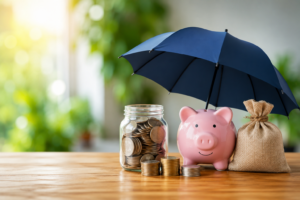
Unexpected financial challenges can arise at any time. A medical emergency, job loss, major home repair, vehicle breakdown, or other unforeseen expense can place significant pressure on your finances if you are not prepared. One of the most effective ways to protect yourself from these situations is by building an emergency fund.
An emergency fund is money set aside specifically for unexpected expenses. Unlike savings for vacations, shopping, or planned purchases, an emergency fund is reserved for genuine financial emergencies. Having this financial cushion can reduce stress, prevent unnecessary borrowing, and help you maintain financial stability during difficult times.
In 2026, economic uncertainty, inflation, and changing employment trends make emergency savings more important than ever. Regardless of your income level, creating an emergency fund can strengthen your financial security and provide greater peace of mind.
In this guide, you’ll learn what an emergency fund is, why every household should have one, how much to save, and practical strategies to build your fund over time.
Table of Contents
- What Is an Emergency Fund?
- Why Every Household Needs an Emergency Fund
- How Much Should You Save?
- Practical Steps to Build an Emergency Fund
- Common Mistakes to Avoid
- Frequently Asked Questions
- Conclusion
What Is an Emergency Fund?
An emergency fund is a dedicated savings account or cash reserve that is used only for unexpected financial situations. Its primary purpose is to provide immediate access to money when essential expenses arise unexpectedly.
Unlike investment accounts, emergency funds should prioritize accessibility and stability rather than high returns. The goal is to ensure the money is available when you need it most.
Examples of Emergency Expenses
- Unexpected medical bills.
- Job loss or reduced income.
- Major vehicle repairs.
- Essential home repairs.
- Emergency travel for family matters.
- Urgent replacement of necessary household equipment.
Using emergency savings for non-essential purchases defeats its purpose. Keeping the fund separate from your everyday spending account can help reduce the temptation to use it unnecessarily.
Why Every Household Needs an Emergency Fund
Financial emergencies rarely happen at convenient times. Without savings, many people rely on high-interest loans or credit to cover unexpected costs, which can create additional financial pressure.
An emergency fund provides financial flexibility by allowing you to handle unexpected expenses without disrupting your long-term financial goals. It can also reduce stress and provide greater confidence during uncertain periods.
Benefits of an Emergency Fund
- Provides financial security.
- Reduces reliance on debt.
- Helps cover unexpected expenses.
- Supports long-term financial planning.
- Improves financial confidence.
- Protects your investments from early withdrawals.
Whether your emergency is large or small, having dedicated savings allows you to respond more effectively while maintaining greater financial stability.
How Much Should You Save?
The ideal emergency fund varies depending on your personal circumstances, income stability, monthly expenses, and financial responsibilities. A common guideline is to aim for several months of essential living expenses, but the appropriate amount will differ from person to person.
If saving several months’ worth of expenses feels overwhelming, begin with a smaller, achievable goal. Building the habit of saving consistently is more important than reaching a large target immediately.
Factors That Affect Your Savings Goal
- Monthly living expenses.
- Job stability.
- Number of dependents.
- Existing debt obligations.
- Access to other financial resources.
- Personal risk tolerance.
Review your emergency fund periodically and increase your savings target as your financial responsibilities grow.
Practical Steps to Build an Emergency Fund
Building an emergency fund takes time, but small and consistent contributions can make a significant difference. The most important step is to begin, even if you can only save a modest amount each month.
Creating a savings habit and treating your emergency fund as a financial priority will help you gradually build a reserve that can protect you during unexpected situations.
1. Set a Realistic Savings Goal
Choose an initial target that matches your financial situation. Reaching a smaller milestone can build confidence and motivate you to continue saving.
2. Include Savings in Your Monthly Budget
Allocate a portion of your income to emergency savings before spending on non-essential items. Automating transfers to a dedicated savings account can help you stay consistent.
3. Reduce Unnecessary Expenses
Review your monthly spending and identify areas where you can cut costs. Redirecting small savings from dining out, subscriptions, or impulse purchases can steadily increase your emergency fund.
4. Save Windfalls
If you receive a bonus, tax refund, gift, or other unexpected income, consider placing part of it into your emergency fund to accelerate your progress.
5. Increase Contributions as Your Income Grows
Whenever you receive a salary increase or earn additional income, consider increasing your monthly savings. Even modest increases can have a meaningful impact over time.
Where Should You Keep Your Emergency Fund?
Your emergency fund should be stored in a secure account that allows quick access when needed. The focus should be on safety and liquidity rather than seeking the highest possible return.
Keeping emergency savings separate from your everyday spending account can reduce the temptation to use the money for non-essential purchases while ensuring it remains available for genuine emergencies.
Characteristics of a Good Emergency Savings Account
- Easy access to funds.
- Low risk of losing value.
- No unnecessary withdrawal restrictions.
- Reliable financial institution.
- Protected by applicable deposit safeguards where available.
Common Mistakes to Avoid
Many people struggle to build emergency savings because of avoidable financial habits. Recognizing these mistakes early can help you stay on track and protect your financial security.
Common Mistakes
- Using emergency savings for non-essential purchases.
- Waiting for the “perfect time” to start saving.
- Keeping all savings in easily spent accounts.
- Stopping contributions after reaching an initial goal.
- Ignoring inflation and changing financial needs.
- Relying entirely on credit during emergencies.
Your emergency fund should be reviewed regularly and adjusted as your income, expenses, and family responsibilities change.
Building Long-Term Financial Resilience
An emergency fund is only one part of a strong financial plan. Combining emergency savings with responsible budgeting, debt management, investing, and insurance where appropriate can strengthen your overall financial resilience.
Regularly reviewing your financial goals, tracking your progress, and continuing to improve your financial knowledge can help you make informed decisions and prepare for unexpected challenges.
Financial Habits That Support Emergency Savings
- Review your budget monthly.
- Save consistently.
- Avoid unnecessary debt.
- Increase savings as your income grows.
- Maintain realistic financial goals.
- Continue improving your financial literacy.
Developing these habits can help you build greater financial confidence while preparing for both expected and unexpected life events.
Frequently Asked Questions (FAQs)
1. What is an emergency fund?
An emergency fund is money set aside specifically to cover unexpected expenses such as medical bills, job loss, urgent home repairs, or vehicle maintenance. It is designed to provide financial security during difficult situations.
2. How much should I keep in my emergency fund?
The right amount depends on your income, monthly expenses, job stability, and family responsibilities. A common goal is to save several months of essential living expenses, but even a smaller emergency fund can provide valuable financial protection.
3. Where should I keep my emergency savings?
Your emergency fund should be kept in a secure and easily accessible account that allows quick withdrawals when necessary while minimizing the risk of loss.
4. Can I invest my emergency fund?
Because emergency funds are intended for immediate access during unexpected situations, many people prioritize stability and accessibility over higher investment returns. Consider your personal circumstances and financial goals when deciding where to keep your emergency savings.
5. When should I use my emergency fund?
Emergency savings should only be used for genuine unexpected expenses that affect your financial well-being, such as medical emergencies, essential repairs, or temporary income loss.
6. What should I do after using my emergency fund?
If you need to use part of your emergency savings, make rebuilding the fund a priority once your financial situation has stabilized so you remain prepared for future unexpected expenses.
Conclusion
An emergency fund is one of the most important building blocks of financial security. While no one can predict unexpected events, having dedicated savings allows you to respond with greater confidence and reduces the need to rely on high-interest debt during difficult times.
Building an emergency fund does not require a large income or a perfect financial situation. What matters most is developing the habit of saving consistently, managing your spending responsibly, and gradually increasing your financial safety net over time.
By making emergency savings a priority today, you can strengthen your financial resilience and protect your long-term goals against life’s unexpected challenges.
Final Thoughts
Financial security is built one step at a time. Every contribution to your emergency fund, no matter how small, brings you closer to greater peace of mind and long-term stability.
Start with a realistic goal, remain consistent, and review your progress regularly. Over time, your emergency fund can become one of the most valuable tools for protecting your financial future in an uncertain world.
About The Author