Real-World Assets (RWA) in Crypto: Why Everything Is Being Tokenized in 2026
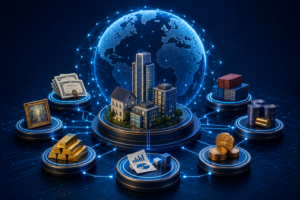
Blockchain technology is no longer limited to cryptocurrencies like Bitcoin and Ethereum. One of the fastest-growing trends in digital finance is the tokenization of Real-World Assets (RWAs). This innovation is transforming how people invest in physical and traditional financial assets by bringing them onto blockchain networks.
From real estate and government bonds to gold, artwork, private credit, and commodities, tokenization is making valuable assets more accessible, transparent, and easier to trade. Financial institutions, investment firms, and blockchain companies are investing billions of dollars into this emerging sector because they believe it could reshape global finance.
In this guide, you’ll learn what Real-World Assets are, how tokenization works, why RWAs are attracting investors, and what the future may hold for this rapidly expanding market.
Table of Contents
- What Are Real-World Assets (RWAs)?
- How Tokenization Works
- Examples of Tokenized Assets
- Benefits of RWAs
- Potential Risks
- Future Outlook
- Frequently Asked Questions
What Are Real-World Assets (RWAs)?
Real-World Assets (RWAs) are physical or traditional financial assets that are represented digitally on a blockchain. Instead of existing only in paper records or centralized databases, ownership or rights relating to these assets can be represented by blockchain-based tokens.
Depending on how a project is structured, each token may represent full ownership, fractional ownership, or another legally defined interest in an underlying asset. This allows investors to gain exposure to assets that were previously difficult to access or trade.
The growing RWA sector is helping bridge the gap between traditional finance and decentralized finance (DeFi), creating new opportunities for investors, businesses, and financial institutions.
How Tokenization Works
Tokenization is the process of creating digital tokens that represent rights or interests in real-world assets. These tokens are issued on a blockchain and can be transferred, tracked, and managed digitally.
A typical tokenization process includes:
- The real-world asset is identified and independently valued.
- The legal ownership structure is established.
- Blockchain-based tokens are issued to represent ownership or another defined interest.
- Eligible investors can buy, sell, or transfer the tokens through approved platforms, subject to applicable regulations.
Smart contracts can automate many administrative tasks, including ownership transfers, compliance checks, and certain distributions, improving efficiency while reducing paperwork.
Examples of Tokenized Real-World Assets
1. Real Estate
Property owners can tokenize residential or commercial buildings, allowing multiple investors to own fractional interests instead of purchasing an entire property.
2. Government Bonds
Some financial institutions are exploring tokenized government securities to improve settlement speed, transparency, and accessibility.
3. Gold and Precious Metals
Gold-backed digital tokens allow investors to gain exposure to precious metals while benefiting from blockchain-based transfers and digital ownership records.
4. Private Credit
Private loans and credit assets can be tokenized to provide investors with access to alternative investment opportunities that were traditionally limited to institutional participants.
5. Fine Art and Collectibles
High-value paintings, luxury collectibles, and rare items can be divided into fractional digital interests, enabling broader participation while preserving ownership records on a blockchain.
Why RWAs Are Gaining Popularity
- Fractional ownership makes expensive assets more accessible.
- Blockchain improves transparency and record keeping.
- Faster settlement compared to many traditional processes.
- Potentially greater liquidity for assets that are usually difficult to trade.
- Growing interest from banks, asset managers, and institutional investors.
Major Benefits of Real-World Asset Tokenization
Real-World Assets (RWAs) are attracting significant attention because they combine the reliability of traditional assets with the efficiency of blockchain technology. This combination has the potential to improve how assets are owned, traded, and managed worldwide.
1. Fractional Ownership
One of the biggest advantages of tokenization is that expensive assets can be divided into smaller digital units. Instead of purchasing an entire property or valuable artwork, investors may be able to buy a fraction of the asset, making investing more accessible.
2. Improved Liquidity
Many traditional assets, such as real estate or private investments, can take weeks or months to sell. Tokenization may make these assets easier to trade on approved digital marketplaces, improving liquidity for eligible investors.
3. Faster Settlement
Blockchain technology can automate ownership transfers and settlement processes, reducing paperwork and shortening the time needed to complete transactions.
4. Greater Transparency
Blockchain records provide a secure and transparent history of ownership and transactions, helping improve trust and simplify auditing.
5. Global Investment Opportunities
Subject to local laws and platform requirements, tokenized assets can make it easier for investors from different countries to participate in markets that were previously difficult to access.
Why Financial Institutions Are Investing in RWAs
Major banks, asset managers, and fintech companies are exploring tokenization because it has the potential to modernize capital markets. By digitizing traditional assets, institutions can improve operational efficiency, reduce settlement times, and expand investment opportunities.
Tokenization may also reduce administrative costs by automating processes such as compliance, ownership tracking, and asset transfers through smart contracts.
How RWAs Connect to DeFi
One of the most exciting developments in blockchain is the integration of Real-World Assets with Decentralized Finance (DeFi). Tokenized assets can potentially be used within DeFi platforms for lending, borrowing, collateral, and other financial services, depending on platform design and regulatory requirements.
This connection helps bridge traditional finance and blockchain, creating new possibilities for both institutional and retail participants.
Leading RWA Sectors in 2026
- Tokenized government bonds.
- Commercial and residential real estate.
- Private credit markets.
- Gold and other precious metals.
- Carbon credits and environmental assets.
- Fine art and luxury collectibles.
Potential Risks of RWAs
Despite their promise, tokenized Real-World Assets also present important challenges that investors should understand.
Regulatory Uncertainty
Different countries have different rules governing digital assets and securities. Regulatory changes may affect how RWAs are issued, traded, or accessed.
Legal Ownership
Investors should understand exactly what rights a token represents. Depending on the structure, a token may represent ownership, a beneficial interest, or another legally defined claim.
Technology Risks
Smart contracts, blockchain infrastructure, and digital wallets require strong security practices. Although blockchain is generally secure, software vulnerabilities and operational errors can still occur.
Market Liquidity
Some tokenized assets may have fewer buyers and sellers than traditional financial markets, making it more difficult to trade quickly at the desired price.
Due Diligence
Before investing, always research the issuing platform, legal framework, underlying asset, and custody arrangements. Understanding these factors can help reduce investment risks.
The Future of Real-World Assets (RWAs)
Many financial experts believe that tokenized Real-World Assets could become one of the largest sectors in blockchain over the coming decade. As regulatory frameworks become clearer and financial institutions continue investing in digital infrastructure, tokenization may become a standard way to issue, manage, and trade a wide variety of assets.
Future growth is expected across real estate, government securities, corporate bonds, commodities, private equity, and intellectual property. By combining blockchain technology with traditional finance, tokenization has the potential to reduce costs, improve efficiency, and expand investment opportunities worldwide.
While challenges remain, the long-term outlook for RWAs is encouraging. Continued collaboration between regulators, financial institutions, and blockchain companies will be essential for building secure and trusted tokenized markets.
Frequently Asked Questions (FAQ)
What are Real-World Assets (RWAs)?
Real-World Assets are physical or traditional financial assets that are represented digitally on a blockchain. Examples include real estate, government bonds, gold, commodities, private credit, and fine art.
What is asset tokenization?
Asset tokenization is the process of creating blockchain-based digital tokens that represent ownership or other legally defined rights relating to a real-world asset.
Why are RWAs important?
RWAs can improve market efficiency, increase transparency, enable fractional ownership, and make certain investments more accessible to a broader range of investors.
Are tokenized assets safe?
Tokenized assets can benefit from blockchain security and transparent records, but they still involve investment, regulatory, technology, and market risks. Investors should always perform thorough due diligence before investing.
Conclusion
Real-World Assets are helping bridge the gap between traditional finance and blockchain technology. By converting physical and financial assets into digital tokens, tokenization is creating new opportunities for investors, businesses, and financial institutions.
From real estate and government bonds to gold and private credit, the RWA sector is transforming how assets are owned, traded, and managed. As adoption continues to grow, tokenization could become one of the defining trends in global finance over the coming years.
Stay informed with PulseHubTV for trusted reporting on cryptocurrency, blockchain, AI, fintech, cybersecurity, gadgets, and emerging technologies. If you enjoyed this guide, share it with others who want to understand how tokenization is reshaping the future of investing.
About The Author